
Pillar 03
LS tuning in Adelaide, done on the dyno.
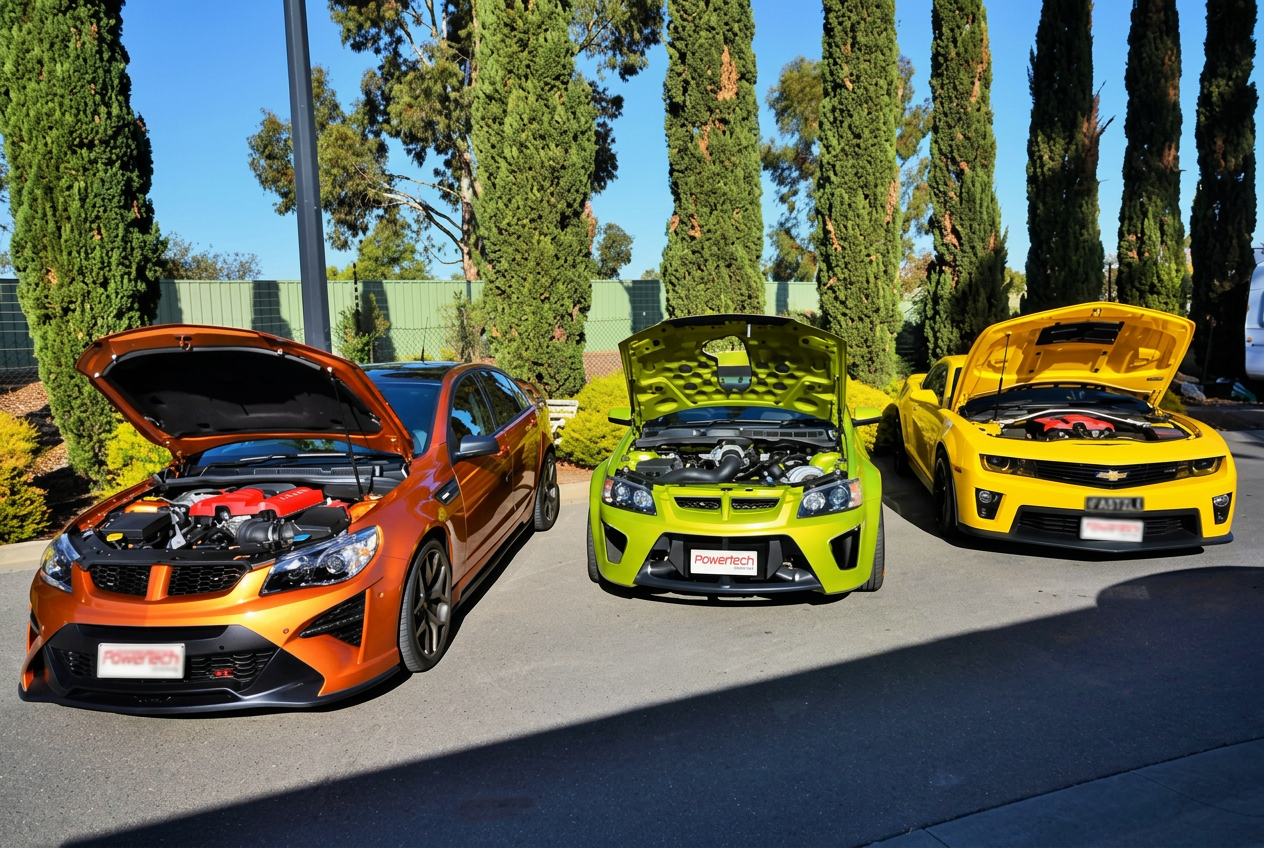
LS1 through LSA and LSX. Cammed combinations, blowers and turbos, and bolt-on packages, calibrated for how you actually drive the car.
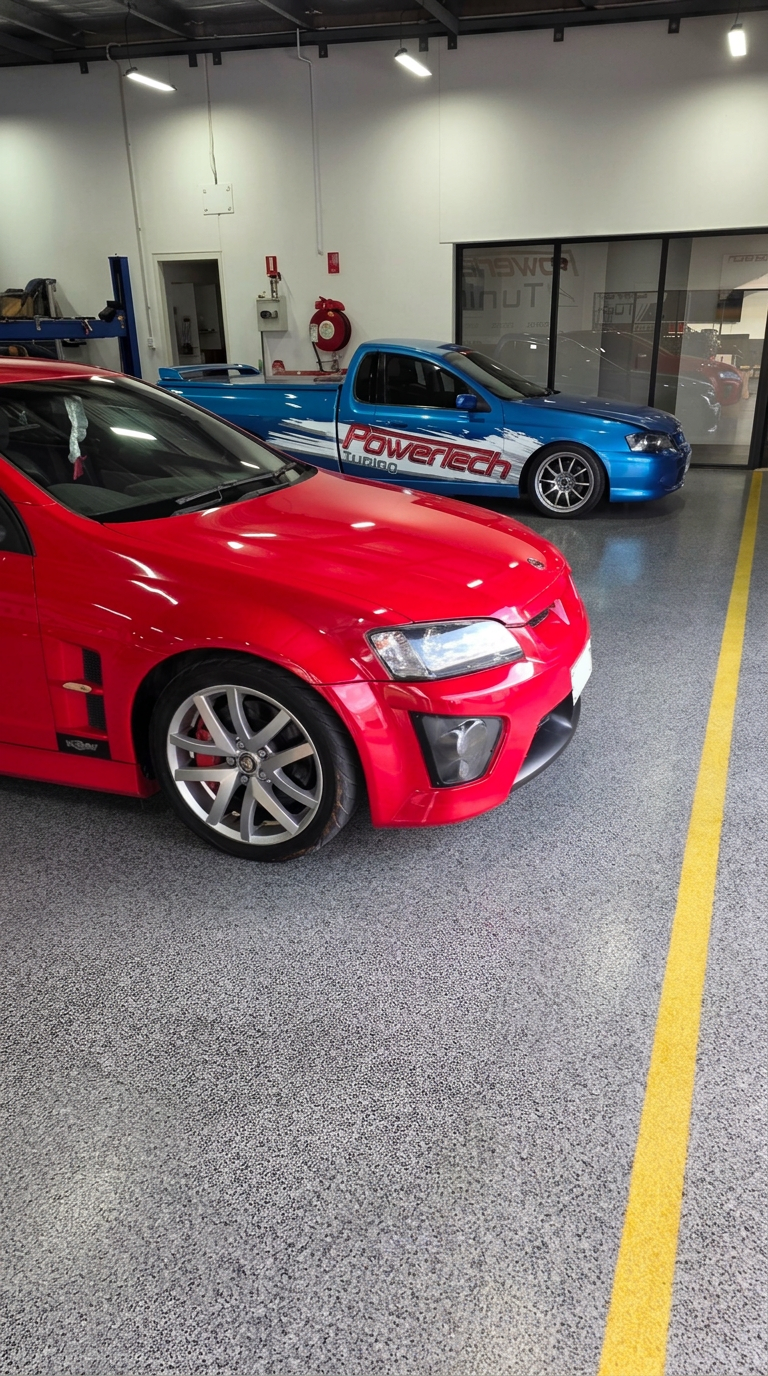 In the workshop
Calibrated on your car, not a model range
LS platforms respond beautifully to a proper calibration. We tune LS1, LS2, LS3, L98, L77, LSA, LS7 and LSX combinations across VT to VF Commodore, Monaro, HSV, Statesman, Chevrolet and swapped vehicles.
We log every pull and target factory drivability alongside the power number. Whether it is a mild cam and headers or a full forced induction package, the calibration is developed on your car in Parafield Gardens.
Platforms
Pick your combination.
Each platform has its own page with scope of work, indicative figures and platform-specific answers.
Capabilities
What we do for LS combinations.
Engine families
Codes, not just badges.
A quick reference for the LS platforms that come through the workshop most.
Gen III, LS1 and LS2
LS1 · LS2 · 5.7 · 6.0
VT to VZ Commodore, Monaro, GTO and early HSV, including 4L60E shift calibration.
Gen IV, LS3, L98 and L77
LS3 · L98 · L77 · L76
VE and VF Commodore, Clubsport, Maloo and SS utes, with 6L80 transmission work.
LSA supercharged
LSA · 1900 TVS
GTS, Clubsport R8 LSA and supercharged Chevrolet, calibrated around heat and knock margin.
LS7, LSX and strokers
LS7 · LSX · 416 · 427
Built short blocks, forged assemblies and high output naturally aspirated combinations.
Turbo and blower packages
Boost · Fuel · IAT
Boost control, fuel system and charge temperature managed properly, developed on the dyno.
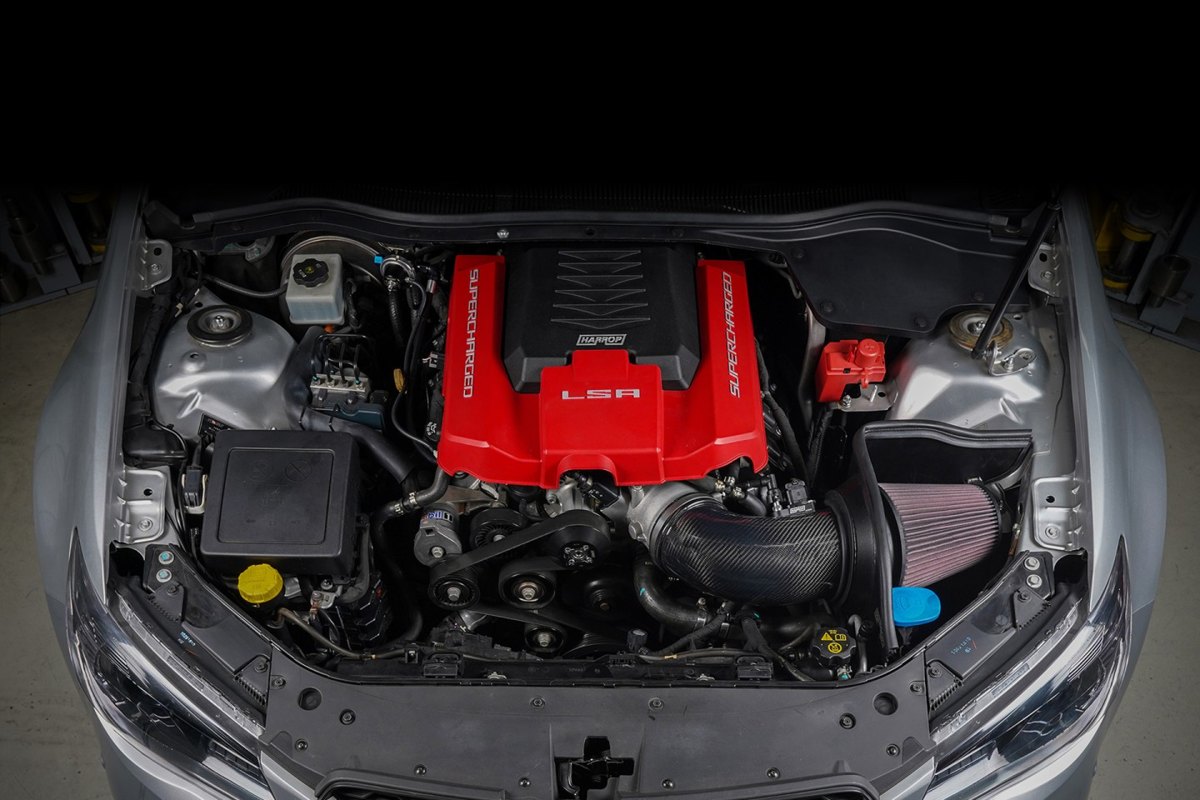 Image courtesy of Harrop Engineering
Boost is easy, heat is the hard part
A supercharged LS will make its number on a cool first pull all day. The work that matters is what happens on the third pull, on a hot day, in traffic, when intake air temperature has climbed and the calibration has to keep timing sensible.
That is why blown cars get more logging time here, and why heat exchanger and intercooler work often earns its keep before a smaller pulley does.
Harrop Engineering supercharger hardware, fitted and calibrated in house.
Hardware we fit
Parts we trust, fitted here.
Supplied, fitted and calibrated as one job. Product imagery is used with permission and credited to the manufacturer.
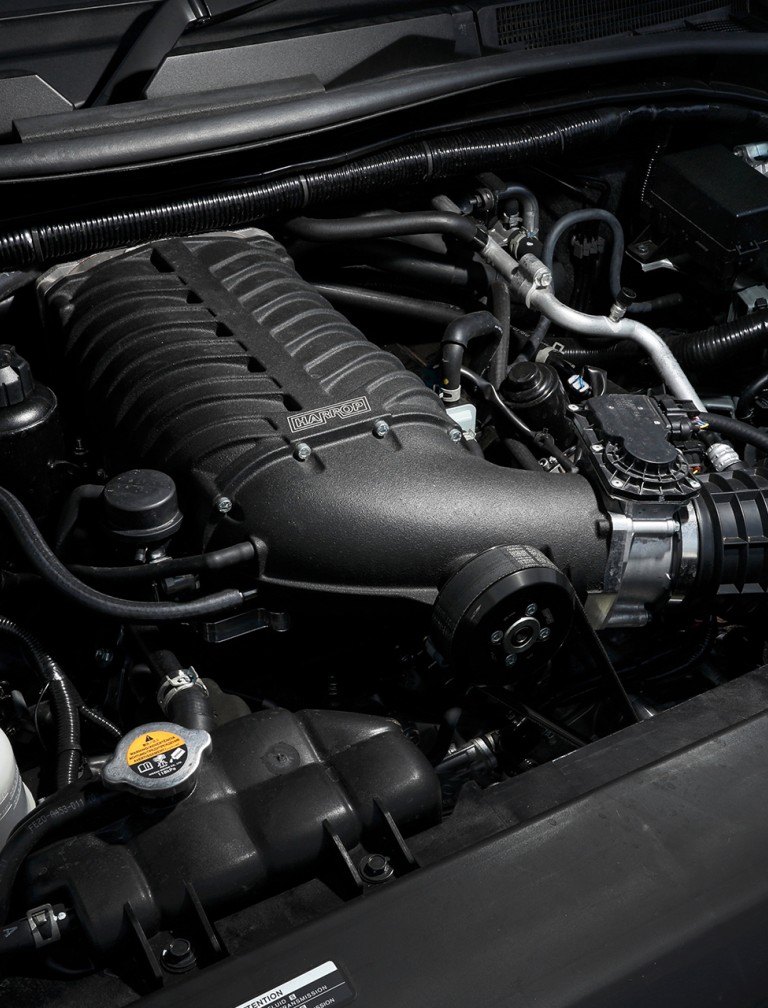
Harrop supercharger kits
Eaton TVS based blower packages for LS platforms, fitted and calibrated in house.
Image courtesy of Harrop Engineering, harrop.com.au
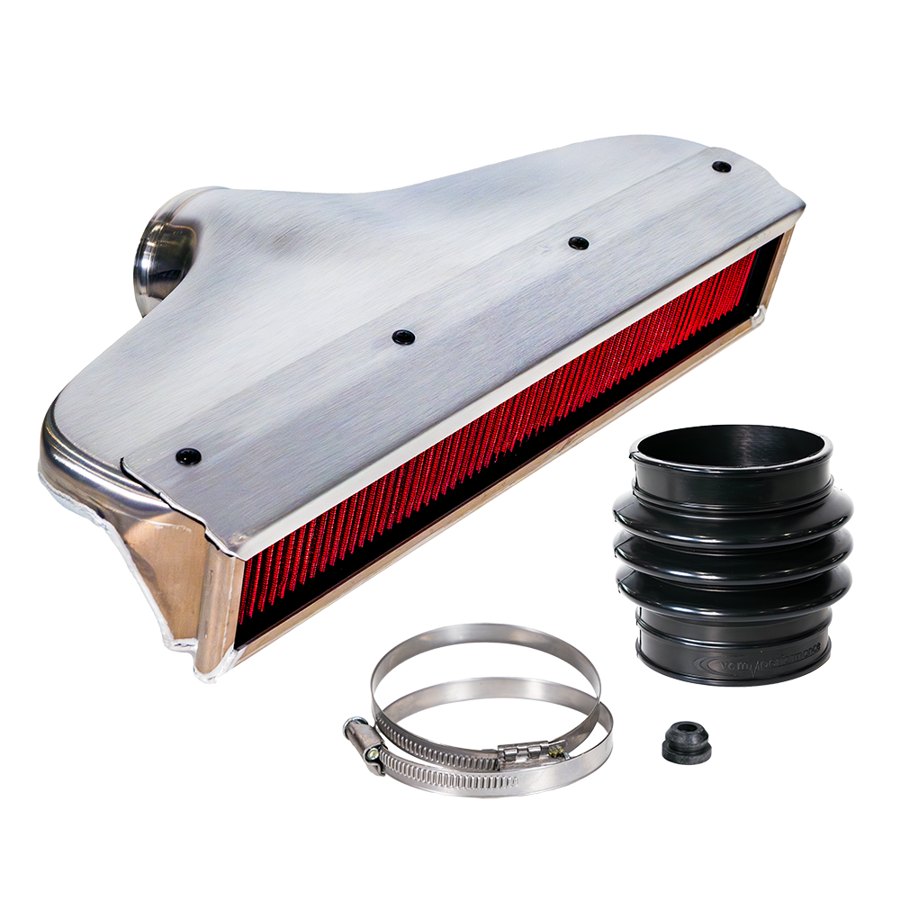
VCM Performance intakes
Alloy over the radiator intake kits and airflow hardware for Gen III and Gen IV cars.
Image courtesy of VCM Performance, vcmperformance.com.au
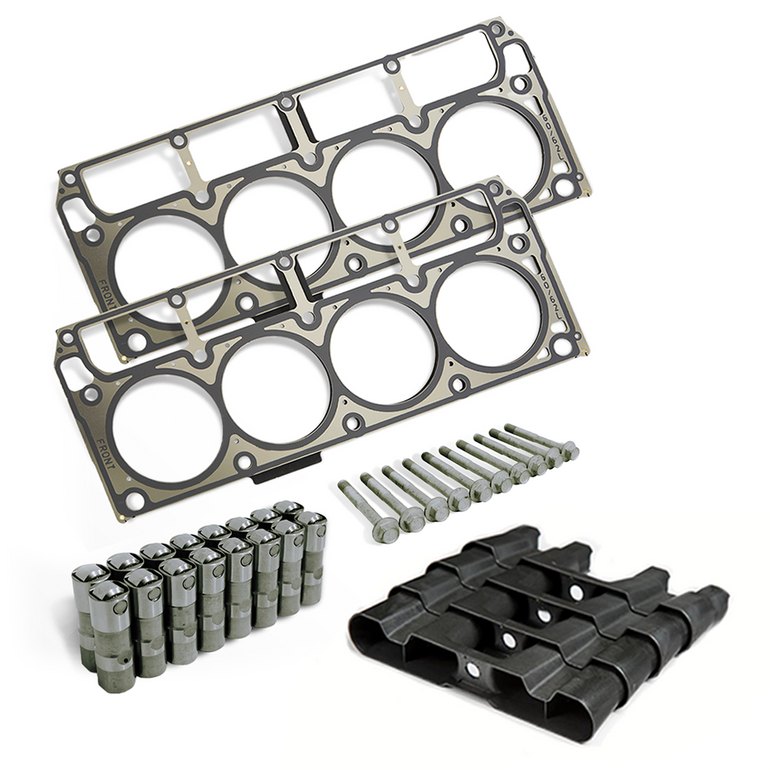
Valvetrain packages
Lifters, trays, head gaskets and bolts specified with the cam, not chosen after it.
Image courtesy of VCM Performance, vcmperformance.com.au
Why calibration, not a generic file
The headroom is real, but it is yours.
A factory LS calibration has to cope with poor fuel, neglected servicing, extreme ambient temperatures and an owner who will never open the bonnet. That caution is sensible for a manufacturer selling tens of thousands of cars, and it is exactly where the honest gains sit for an owner who maintains the car properly.
A generic file cannot know your cam, your headers, your gearing, your converter or the condition of your fuel system. We write to the car in front of us, log it, road test it, and prove it on our own dyno when you add a run. Starting figures are on the pricing page, and logged gains are on builds and results.
We will also tell you when the answer is no. If a combination is marginal, or the spend does not justify the gain on your car, that conversation happens before you book rather than after the car is on the hoist.
Process
How an LS tune runs here.
- 01
Consultation and health check
We talk about the car, the combination and how you drive it, then check the basics: fault codes, service history, plugs, intake and any hardware already fitted.
- 02
Baseline logging
The original calibration is read and backed up, then the car is logged as it sits so we know what fuelling, knock and transmission behaviour look like before anything changes.
- 03
Hardware fitted and checked
Cams, valvetrain, intake, exhaust or blower hardware is fitted here, with pushrod length and clearances checked rather than assumed.
- 04
Dyno development (if opted in)
If you add dyno time, the car goes on our in-house dyno so the calibration can be refined and repeated under load. Dyno runs are an optional add-on at $250, not part of every tune.
- 05
Road validation
Cold start, traffic, cruise and full throttle. Fuelling, knock and transmission behaviour are watched the whole way, not just at the top of the rev range.
- 06
Handover
We walk you through what was changed and how the car should behave. If a dyno run was included, we go through the graph with you before you leave.
Workshop visits and consultations are by appointment only. Book a consultation to get your car in front of us.
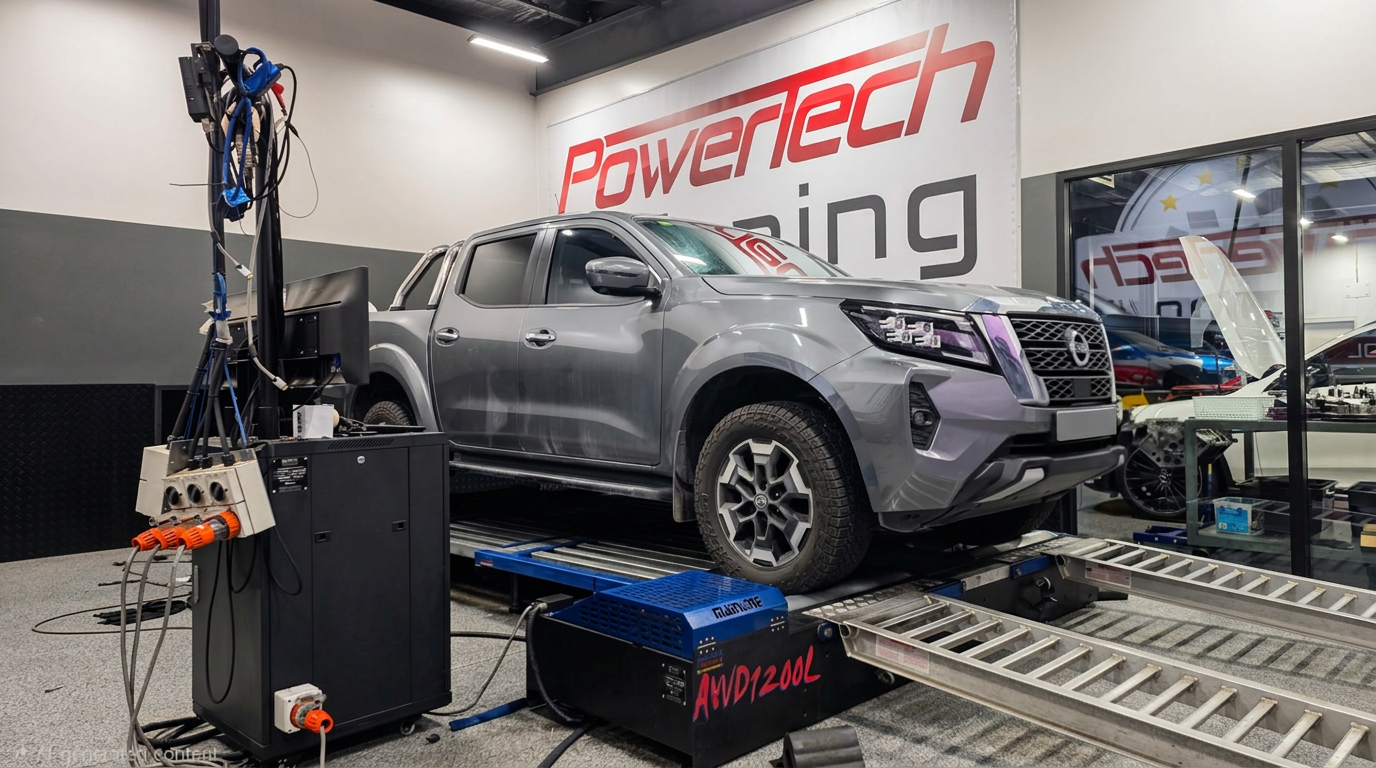
Logged, calibrated, road tested
Every LS leaves on a logged run.
Bolt-on, cammed or boosted. The calibration is developed on your car, not pulled off a shelf.
FAQ
Common questions.
- What does an LS tune actually change?
- Fuelling, spark, torque management, idle and on most cars the transmission calibration as well. On a bolt-on car the difference you feel is throttle response and drivability, not just a peak number.
- Is a dyno run included with an LS tune?
- No. Every car is logged and road tested as standard. A before and after dyno run is an optional add-on at $250, because dyno time costs us time on the cell.
- Do you supply and fit the hardware too?
- Yes. Cams, valvetrain, intakes, headers, superchargers and fuel system parts are supplied and fitted here, so the parts and the calibration are one job with one point of accountability.
- Which LS platforms do you cover?
- LS1, LS2, LS3, L98, L77, L76, LSA, LS7 and LSX, across VT to VF Commodore, Monaro, GTO, HSV, Statesman, Chevrolet and swapped vehicles.
- What fuel do you calibrate for?
- 98 RON as standard. Tell us up front if the car sees anything else and we will write the file for the fuel it will actually run.
- How long does an LS tune take?
- A bolt-on car is usually a day. Cam packages, supercharged combinations and built engines take longer because the logging and validation work grows with the combination.
Ready to plan your build or book the dyno?
Send us your vehicle and goals. We will reply with realistic options, pricing, and timing, no upsell.